PRF Hair Restoration: What Drives the Price
PRF quotes vary more than almost any medspa service because the preparation protocol is not standardized. Here is what actually sits inside the price, and what the evidence supports.
The short answer
PRF hair restoration is priced per session and almost always sold as a course of three or four, plus maintenance. Prices vary widely by provider and region because there is no standardized preparation protocol — blood volume, centrifuge type, injector and add-ons all move the quote.
Know the types
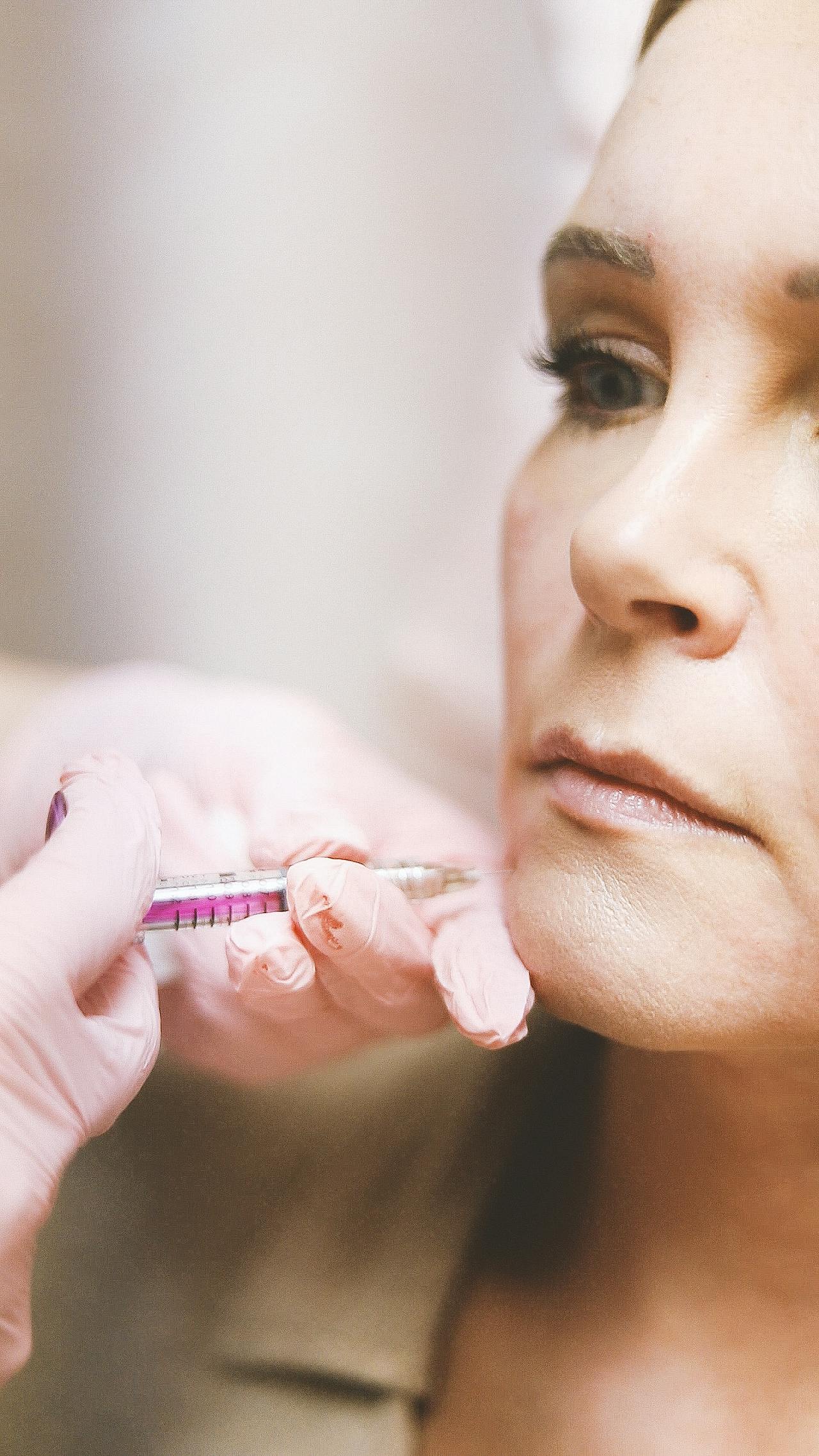
PRF stands for platelet-rich fibrin. Blood is drawn from your own arm and spun once, without anticoagulant, so the platelets and leukocytes concentrate inside a natural fibrin scaffold rather than a liquid plasma. That scaffold is the entire selling point: it is meant to hold growth factors at the injection site and release them gradually instead of all at once.
Injectable or liquid PRF (i-PRF) is the form used on the scalp. It is produced with a low-speed, short spin so the product stays fluid long enough to be injected. A 2024 review of PRF in androgenetic alopecia in the Journal of Cosmetic Dermatology found that most studies used fixed-angle centrifugation at low speed, and noted that horizontal centrifuges may be preferable because of their "higher yield of platelets, and lesser shear trauma to the cells."
PRP is the older sibling — plasma concentrated with anticoagulant, no fibrin matrix. It has far more published trial data behind it, which matters when you are being asked to pay a premium for PRF.
Providers also sell PRF combined with microneedling, where the product is applied topically into channels rather than injected, and PRF added to a hair-transplant protocol. Both are priced differently from a standalone injection session.
What drives the price
The first driver is that the preparation itself is not standardized. That same 2024 review states outright that "there is no consensus regarding the preparation of PRF," and calls for larger studies to determine the optimal centrifugation force and time. Two clinics an hour apart can draw different blood volumes, spin at different speeds in different centrifuge geometries, and both call the result PRF. You are not comparing a commodity.
The second is who holds the syringe and how long it takes. A scalp session involves dozens of injections across the affected zones, and time under a physician costs more than time under a nurse injector working within a supervised protocol.
The third is packaging. Almost nobody sells a single session, because the published protocols run three monthly treatments before any assessment, followed by maintenance intervals. Ask whether the advertised figure is per session or per package, whether maintenance is included, and whether the quote covers follow-up photography — a course quoted without a documented before-and-after protocol is a course you cannot evaluate.
Add-ons move it further: microneedling, topical minoxidil protocols, low-level light therapy and lab work are frequently bundled. So is the geography of the practice. Prices vary by provider and region, and no reliable national figure exists for this service.
Benefits and honest limits
The mechanism is plausible and the safety record is reassuring. A 2023 systematic review and meta-analysis in the Journal of Cutaneous Medicine and Surgery pooled nine randomized controlled trials covering 238 patients and found that platelet-rich plasma increased hair density at three and six months with statistically significant differences compared with placebo, and reported no serious adverse reactions.
Read the same paper for the limits. Hair count and hair diameter improved from baseline but were not statistically significant against placebo. That is the honest shape of this field: density responds, the other measures are less certain, and the studies are heterogeneous.
For PRF specifically the evidence is thinner still. The 2024 review identified five clinical studies showing significant positive effects in androgenetic alopecia, while concluding that "larger, well-designed studies are needed to confirm the benefits of PRF over PRP." Anyone selling PRF as a proven upgrade on PRP is ahead of the literature.
PRF is also not a substitute for medical therapy in progressive androgenetic alopecia, and it will not regrow hair from a scalp where follicles are already scarred or gone. It works best as an adjunct, on early-to-moderate thinning, in someone still shedding rather than already bald.
Aftercare
Skip the shampoo for the first 24 hours and rinse with lukewarm water after that — no hot showers, which increase scalp flushing and tenderness. Expect pinpoint bleeding at injection sites, a tight or bruised feeling for one to three days, and occasional mild swelling at the hairline overnight.
Avoid strenuous exercise, saunas and swimming pools for 48 hours. Hold off on chemical services — color, bleach, relaxer — for at least a week, and do not use a hard-bristle brush or tight ponytail over the treated area while it is tender.
Keep taking whatever medical therapy your clinician prescribed; PRF is layered on top of that, not instead of it. Photograph the same three angles in the same light before session one and at every visit, and judge the course at the six-month mark rather than after the first injection, because that is the window where the trial data actually reports density change.
Sources & references
- A 2024 review of PRF in androgenetic alopecia states that "there is no consensus regarding the preparation of PRF," identified five clinical studies with significant positive effects, and concluded that larger, well-designed studies are needed to confirm the benefits of PRF over PRP.
- A 2023 systematic review and meta-analysis of nine randomized controlled trials covering 238 patients found platelet-rich plasma increased hair density at three and six months versus placebo, with no serious adverse reactions, while hair count and diameter were not significant against placebo.
Frequently asked questions
Why do PRF quotes vary so much between clinics?
Is PRF better than PRP for hair loss?
How many sessions does a course take?
When should I expect to see a difference?
Who is a poor candidate?
Don't wait
Ready to book?
The best times book out days ahead. Reserve yours in under a minute and stop checking back for an opening.
Save my slotBooking with THRYV Aesthetics & Medical Weight Loss
Related articles
PRP vs PRF Hair Restoration: Cost, Risks, Dos & Don'ts
$600 to $1,800 buys a single PRP or PRF hair restoration session in 2026. Compare protocols, results, downtime, and the dos and don'ts that protect outcomes.
PRP Hair Treatment Cost in NYC — 2026 Overview
PRP hair treatment costs in NYC vary widely based on factors like location and provider expertise. This comprehensive guide explores detailed price factors and cost-effective options.
2026 Guide to Hair Restoration PRP vs PRF in NYC
Delve into the details of PRP versus PRF injections for hair restoration. This guide outlines costs, treatment longevity, and decision-making tips.
PRP Hair Therapy Cost Scottsdale AZ (2026 Guide)
Discover the cost of PRP hair therapy in Scottsdale, AZ. Learn about influencing factors, savings tips, and if it's worth the investment.
Aesthetic Laser Treatment in New York: What to Expect
Aesthetic laser treatment covers several different device categories, and picking the wrong one wastes a whole treatment course. Here is how the types differ, what a New York course actually involves, and what to verify before you book.
2026 Hair Restoration Alternatives Better than PRP
Discover alternatives to PRP hair restoration that offer better outcomes and cost-effectiveness. Compare leading options for healthier hair.
PRP Treatment Cost Miami: What You Need to Know 2026
Learn about PRP treatment costs in Miami, what influences the price, and how to make informed decisions without compromising on quality.
PRP vs FUE: Key Differences and Costs in 2026
Compare PRP and FUE hair restoration techniques across the US. Explore costs, longevity, and the best choice for different hair types and lifestyles.